Buy café.be ?
We are moving the project
café.be .
Are you interested in purchasing the domain
café.be ?
domain@kv-gmbh.de · 0541-91531010
Buy café.be ?
What is self-mummification?
Self-mummification, also known as sokushinbutsu, is a process practiced by Buddhist monks in Japan during the 11th to 19th centuries. It involves a strict diet and meditation regimen to eliminate body fat and moisture, followed by being buried alive in a small underground chamber with a breathing tube and bell. The monk would continue meditating until death, at which point the tomb would be sealed. Over several years, the body would naturally mummify due to the lack of moisture and oxygen, resulting in a preserved and revered relic. This practice was believed to demonstrate the monk's spiritual enlightenment and dedication to the path of enlightenment. **
What is the difference between mummification and embalming?
Mummification and embalming are both processes used to preserve a body after death, but they have different cultural and historical origins. Mummification is a method of preservation that was practiced in ancient Egypt, where the body was dehydrated and wrapped in linen bandages. Embalming, on the other hand, is a more modern process that involves the use of chemicals to temporarily preserve the body for viewing at a funeral or memorial service. While mummification was associated with religious beliefs and the afterlife in ancient Egypt, embalming is often used in contemporary Western cultures for practical and aesthetic reasons. **


Similar search terms for Mummification
Top-Angebote
Products related to Mummification:
-
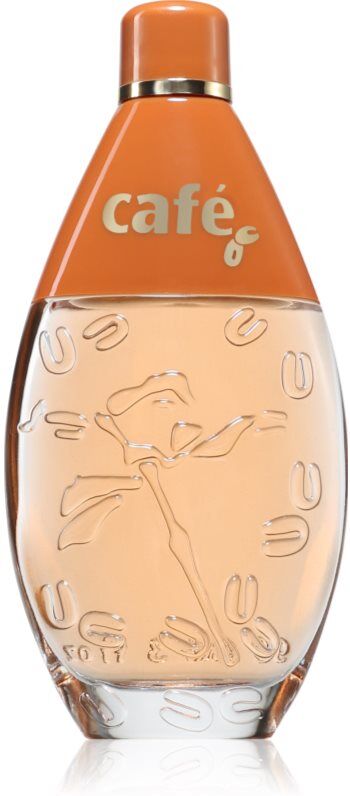
Parfums Café Café Eau de Parfum pour femme 90 mlParfums Café Café, 90 ml, Eaux de Parfum pour femme, Ne dissimulez pas la passion qui se cache en vous. L’eau de parfum pour femme Parfums Café Café est empreinte d’effervescence, de désir et de provocation, et vous entourera, vous et tous ceux qui vous entourent, d’un halo résolument sensuel. parfum oriental destiné aux femmes de caractère et débordantes d’énergie un parfum unique qui se prête aux occasions spéciales14,90 €*Shipping: 3,45 €Secure redirect to the provider
-
Parfums Café Homme de Café Eau de Toilette pour homme 100 mlParfums Café Homme de Café, 100 ml, Eaux de Toilette pour homme, L’eau de toilette pour homme Parfums Café Homme de Café vous fera découvrir la masculinité, la force et l’audace qui se dorment en vous. Son parfum soulignera à la perfection votre masculinité à chaque instant. parfum épicé tous les hommes galants modernes l'apprécieront parfum de tous les jours20,90 €*Shipping: 3,45 €Secure redirect to the provider



-
What do you think of mummification with duct tape?
Mummification with duct tape is not a traditional or historically accurate method of preserving a body. Duct tape is not designed for this purpose and may not effectively prevent decomposition. It is important to respect cultural practices and use proper methods when handling human remains. **
-
What do you think about mummification with duct tape?
Mummification with duct tape seems like a creative and unconventional approach to preserving a body. However, it is not a traditional or scientifically proven method of mummification. The use of duct tape may not provide the same level of preservation and care as the ancient Egyptian mummification process, which involved removing organs and using natural preservatives. It's important to approach the topic with respect for cultural traditions and scientific methods of preservation. **
-
Was mummification in ancient Egypt also a punishment for criminals?
No, mummification in ancient Egypt was not a punishment for criminals. Mummification was a sacred and ritualistic process that was reserved for the elite and those of high social status, such as pharaohs, nobles, and priests. It was believed to be a way to preserve the body for the afterlife and ensure the individual's continued existence in the next world. Criminals and lower-class individuals were typically buried in simpler graves without the elaborate mummification process. **
-
Were Egyptian mummies rich before mummification, or could anyone be mummified?
In ancient Egypt, mummification was a practice that was primarily reserved for the wealthy and elite members of society. The process of mummification was expensive and time-consuming, involving various rituals and preservation techniques. Therefore, only those who could afford it, such as pharaohs, nobles, and high-ranking officials, were mummified. Common people in ancient Egypt were typically buried in simpler graves without the elaborate mummification process. **


Were Egyptian mummies wealthy before mummification, or could anyone be mummified?
In ancient Egypt, mummification was a practice available to individuals from various social classes, not just the wealthy. While wealthier individuals could afford more elaborate mummification processes and burial goods, mummification was not exclusive to the wealthy. Commoners and individuals of lower social status could also be mummified, although their mummification process and burial would likely be simpler in comparison to those of the wealthy. The belief in the afterlife and the preservation of the body through mummification was an important aspect of Egyptian culture, accessible to a range of individuals in society. **
Why were the organs removed during mummification, but not the heart?
The organs were removed during mummification because they were believed to be unnecessary in the afterlife, and the removal also helped to prevent decay. However, the heart was left in place because it was considered to be the center of a person's being and the source of their emotions and intellect. It was believed that the heart would be needed in the afterlife for the individual to be able to speak and think. Therefore, the heart was left intact and preserved in the body during the mummification process. **
Top-Angebote
Products related to Mummification:
-
Colgate Max White One Coffee, Tea & Wine dentifrice blanchissant 75 mlColgate Max White One Coffee, Tea & Wine, 75 ml, Pour renforcer l'émail dentaire pour femme, Le dentifrice Colgate Max White One Coffee, Tea & Wine renforce l’émail des dents et protège ainsi vos dents contre les caries dentaires et contre une sensibilité accrue. Le produit : blanchit les dents rafraîchit l’haleine n’abîme pas les dents lutte contre la carie dentaire et le tartre dentaire consolide l’émail dentaire Mode d’emploi : Nettoyez vos dents minutieusement pendant au moins 2 minutes. Utilisez au moins 2 fois par jour.3,90 €*Shipping: 3,45 €Secure redirect to the provider
-
homesick Brunch Club bougie parfumée 428 ghomesick Brunch Club, 428 g, Bougies parfumées Parfum d'ambiance, La bougie décorative homesick Brunch Club parfume admirablement votre intérieur, lui offrant ainsi une atmosphère très cosy. Grâce à son design, elle deviendra rapidement un accessoire indispensable de votre intérieur. Le produit : parfum fruité odeur d’agrumes arôme sucré Composition du produit : constitué à 100 % de cire de soja mèche de coton Mode d’emploi : Suivez les instructions du manuel joint. Pour une combustion optimale, il est conseillé de couper régulièrement la mèche à la longueur recommandée.17,20 €*Shipping: 3,45 €Secure redirect to the provider
-
What is self-mummification?
Self-mummification, also known as sokushinbutsu, is a process practiced by Buddhist monks in Japan during the 11th to 19th centuries. It involves a strict diet and meditation regimen to eliminate body fat and moisture, followed by being buried alive in a small underground chamber with a breathing tube and bell. The monk would continue meditating until death, at which point the tomb would be sealed. Over several years, the body would naturally mummify due to the lack of moisture and oxygen, resulting in a preserved and revered relic. This practice was believed to demonstrate the monk's spiritual enlightenment and dedication to the path of enlightenment. **
-
What is the difference between mummification and embalming?
Mummification and embalming are both processes used to preserve a body after death, but they have different cultural and historical origins. Mummification is a method of preservation that was practiced in ancient Egypt, where the body was dehydrated and wrapped in linen bandages. Embalming, on the other hand, is a more modern process that involves the use of chemicals to temporarily preserve the body for viewing at a funeral or memorial service. While mummification was associated with religious beliefs and the afterlife in ancient Egypt, embalming is often used in contemporary Western cultures for practical and aesthetic reasons. **
-
What do you think of mummification with duct tape?
Mummification with duct tape is not a traditional or historically accurate method of preserving a body. Duct tape is not designed for this purpose and may not effectively prevent decomposition. It is important to respect cultural practices and use proper methods when handling human remains. **
-
What do you think about mummification with duct tape?
Mummification with duct tape seems like a creative and unconventional approach to preserving a body. However, it is not a traditional or scientifically proven method of mummification. The use of duct tape may not provide the same level of preservation and care as the ancient Egyptian mummification process, which involved removing organs and using natural preservatives. It's important to approach the topic with respect for cultural traditions and scientific methods of preservation. **
Similar search terms for Mummification
-
Parfums Café Café Eau de Parfum pour femme 90 mlParfums Café Café, 90 ml, Eaux de Parfum pour femme, Ne dissimulez pas la passion qui se cache en vous. L’eau de parfum pour femme Parfums Café Café est empreinte d’effervescence, de désir et de provocation, et vous entourera, vous et tous ceux qui vous entourent, d’un halo résolument sensuel. parfum oriental destiné aux femmes de caractère et débordantes d’énergie un parfum unique qui se prête aux occasions spéciales14,90 €*Shipping: 3,45 €Secure redirect to the provider
-
Parfums Café Homme de Café Eau de Toilette pour homme 100 mlParfums Café Homme de Café, 100 ml, Eaux de Toilette pour homme, L’eau de toilette pour homme Parfums Café Homme de Café vous fera découvrir la masculinité, la force et l’audace qui se dorment en vous. Son parfum soulignera à la perfection votre masculinité à chaque instant. parfum épicé tous les hommes galants modernes l'apprécieront parfum de tous les jours20,90 €*Shipping: 3,45 €Secure redirect to the provider
-
Areon Ken Coffee désodorisant voiture 30 gAreon Ken Coffee, 30 g, Diffuseurs de parfum avec recharge Parfum d'ambiance, Le désodorisant voiture Areon Ken Coffee transformera chacun de vos trajets en un agréable moment. L’intérieur de votre voiture sera agréablement parfumé et donc plus confortable et harmonieux. Le produit : parfum gourmand Mode d’emploi : Suivez les instructions du manuel joint.3,50 €*Shipping: 3,45 €Secure redirect to the provider
-
Dreamgirl Bas résille autofixant couleur café - DG0001ESPGlisse lentement les Bas résille autofixant couleur café - DG0001ESP le long de tes jambes. Sens la maille qui s’étire. C’est doux, c’est chaud, c’est vivant. Et déjà, le charme opère.Élégance et maintien 💋Signés Dreamgirl, ces bas en résille dévoilent une texture fine et sensuelle qui attire le13,59 €*Shipping: 3,90 €Secure redirect to the provider
-
Was mummification in ancient Egypt also a punishment for criminals?
No, mummification in ancient Egypt was not a punishment for criminals. Mummification was a sacred and ritualistic process that was reserved for the elite and those of high social status, such as pharaohs, nobles, and priests. It was believed to be a way to preserve the body for the afterlife and ensure the individual's continued existence in the next world. Criminals and lower-class individuals were typically buried in simpler graves without the elaborate mummification process. **
-
Were Egyptian mummies rich before mummification, or could anyone be mummified?
In ancient Egypt, mummification was a practice that was primarily reserved for the wealthy and elite members of society. The process of mummification was expensive and time-consuming, involving various rituals and preservation techniques. Therefore, only those who could afford it, such as pharaohs, nobles, and high-ranking officials, were mummified. Common people in ancient Egypt were typically buried in simpler graves without the elaborate mummification process. **
-
Were Egyptian mummies wealthy before mummification, or could anyone be mummified?
In ancient Egypt, mummification was a practice available to individuals from various social classes, not just the wealthy. While wealthier individuals could afford more elaborate mummification processes and burial goods, mummification was not exclusive to the wealthy. Commoners and individuals of lower social status could also be mummified, although their mummification process and burial would likely be simpler in comparison to those of the wealthy. The belief in the afterlife and the preservation of the body through mummification was an important aspect of Egyptian culture, accessible to a range of individuals in society. **
-
Why were the organs removed during mummification, but not the heart?
The organs were removed during mummification because they were believed to be unnecessary in the afterlife, and the removal also helped to prevent decay. However, the heart was left in place because it was considered to be the center of a person's being and the source of their emotions and intellect. It was believed that the heart would be needed in the afterlife for the individual to be able to speak and think. Therefore, the heart was left intact and preserved in the body during the mummification process. **
* All prices are inclusive of VAT and, if applicable, plus shipping costs. The offer information is based on the details provided by the respective shop and is updated through automated processes. Real-time updates do not occur, so deviations can occur in individual cases. ** Note: Parts of this content were created by AI.