Buy café.be ?
We are moving the project
café.be .
Are you interested in purchasing the domain
café.be ?
domain@kv-gmbh.de · 0541-91531010
Buy café.be ?
Who is Napoleon?
Napoleon Bonaparte was a French military and political leader who rose to prominence during the French Revolution. He became the Emperor of the French from 1804 to 1814 and again in 1815. Napoleon is known for his military conquests and his significant impact on European history. He implemented a series of reforms in France and across the territories he conquered, leaving a lasting legacy on the political and legal systems of many countries. **
What did Napoleon do?
Napoleon Bonaparte was a military general and the first Emperor of France. He rose to power during the French Revolution and implemented a series of military victories that expanded the French Empire across Europe. Napoleon also introduced several reforms in France, such as the Napoleonic Code, which had a lasting impact on the country's legal system. However, his aggressive expansionist policies eventually led to his downfall, as he was defeated at the Battle of Waterloo in 1815. **

Similar search terms for Napoleon
Top-Angebote
Products related to Napoleon:
-
Areon Ken Coffee désodorisant voiture 30 gAreon Ken Coffee, 30 g, Diffuseurs de parfum avec recharge Parfum d'ambiance, Le désodorisant voiture Areon Ken Coffee transformera chacun de vos trajets en un agréable moment. L’intérieur de votre voiture sera agréablement parfumé et donc plus confortable et harmonieux. Le produit : parfum gourmand Mode d’emploi : Suivez les instructions du manuel joint.3,50 €*Shipping: 3,45 €Secure redirect to the provider


-
Was Napoleon a Jacobin?
Napoleon was not a Jacobin. While he initially supported the ideals of the French Revolution, he eventually distanced himself from the radical Jacobin faction and sought to consolidate his own power as a military leader. Napoleon's rise to power and establishment of the French Empire marked a departure from the revolutionary principles of the Jacobins, as he centralized authority and established a more authoritarian regime. Therefore, while Napoleon may have been influenced by the ideas of the French Revolution, he cannot be considered a Jacobin. **
-
Why was Napoleon hated?
Napoleon was hated for several reasons. Firstly, his aggressive military campaigns and expansionist policies led to widespread destruction and loss of life across Europe. Additionally, his authoritarian rule and suppression of political opposition led to resentment among those who sought greater freedom and democracy. Furthermore, his self-appointed title as Emperor and his establishment of a hereditary monarchy were seen as a betrayal of the ideals of the French Revolution. Lastly, his policies, such as the Continental System and high taxation, caused economic hardship for many people, further fueling their dislike of him. **
-
What was Napoleon like?
Napoleon was known for his ambition, intelligence, and charisma. He was a skilled military leader and a shrewd politician, rising to power as the Emperor of France. He was also known for his authoritarian rule and expansionist policies, which led to conflicts with other European powers. Despite his controversial legacy, Napoleon is remembered for his significant impact on European history and his lasting influence on military strategy and governance. **
-
How did Napoleon rule?
Napoleon ruled as a military dictator, consolidating power through a coup d'état in 1799 and eventually declaring himself Emperor in 1804. He centralized authority, reformed the legal and administrative systems, and implemented a code of laws known as the Napoleonic Code. He also expanded the French Empire through military conquests and alliances, imposing French influence and control over much of Europe. Despite his authoritarian rule, Napoleon's reforms and military successes contributed to the spread of revolutionary ideals and the modernization of many European countries. **

Is Napoleon Bonaparte megalomaniac?
Napoleon Bonaparte is often described as megalomaniacal due to his ambitious and power-hungry nature. He sought to expand his empire and conquer other nations, demonstrating a desire for control and dominance. His grandiose vision of himself as a ruler and his willingness to engage in military conquests to achieve his goals are often cited as evidence of his megalomania. However, some historians argue that his actions were driven by a desire to bring stability and order to Europe, rather than purely by personal ambition. Ultimately, whether or not Napoleon was megalomaniacal is a matter of interpretation and debate among historians. **
Did Napoleon promote German unity?
Napoleon did not actively promote German unity as a deliberate policy goal. However, his military campaigns and administrative reforms inadvertently contributed to the eventual unification of Germany. The dissolution of the Holy Roman Empire by Napoleon in 1806 led to the emergence of a number of independent German states, setting the stage for future unification efforts. Additionally, Napoleon's introduction of the Napoleonic Code and other reforms helped to modernize and centralize the German states, laying the groundwork for the eventual creation of a unified German nation in the 19th century. **
Top-Angebote
Products related to Napoleon:
-
Colgate Max White One Coffee, Tea & Wine dentifrice blanchissant 75 mlColgate Max White One Coffee, Tea & Wine, 75 ml, Pour renforcer l'émail dentaire pour femme, Le dentifrice Colgate Max White One Coffee, Tea & Wine renforce l’émail des dents et protège ainsi vos dents contre les caries dentaires et contre une sensibilité accrue. Le produit : blanchit les dents rafraîchit l’haleine n’abîme pas les dents lutte contre la carie dentaire et le tartre dentaire consolide l’émail dentaire Mode d’emploi : Nettoyez vos dents minutieusement pendant au moins 2 minutes. Utilisez au moins 2 fois par jour.3,90 €*Shipping: 3,45 €Secure redirect to the provider
-
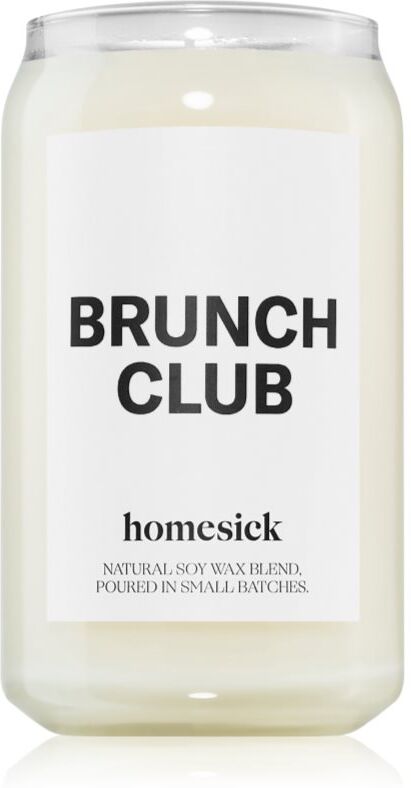
homesick Brunch Club bougie parfumée 428 ghomesick Brunch Club, 428 g, Bougies parfumées Parfum d'ambiance, La bougie décorative homesick Brunch Club parfume admirablement votre intérieur, lui offrant ainsi une atmosphère très cosy. Grâce à son design, elle deviendra rapidement un accessoire indispensable de votre intérieur. Le produit : parfum fruité odeur d’agrumes arôme sucré Composition du produit : constitué à 100 % de cire de soja mèche de coton Mode d’emploi : Suivez les instructions du manuel joint. Pour une combustion optimale, il est conseillé de couper régulièrement la mèche à la longueur recommandée.17,20 €*Shipping: 3,45 €Secure redirect to the provider
-
Who is Napoleon?
Napoleon Bonaparte was a French military and political leader who rose to prominence during the French Revolution. He became the Emperor of the French from 1804 to 1814 and again in 1815. Napoleon is known for his military conquests and his significant impact on European history. He implemented a series of reforms in France and across the territories he conquered, leaving a lasting legacy on the political and legal systems of many countries. **
-
What did Napoleon do?
Napoleon Bonaparte was a military general and the first Emperor of France. He rose to power during the French Revolution and implemented a series of military victories that expanded the French Empire across Europe. Napoleon also introduced several reforms in France, such as the Napoleonic Code, which had a lasting impact on the country's legal system. However, his aggressive expansionist policies eventually led to his downfall, as he was defeated at the Battle of Waterloo in 1815. **
-
Was Napoleon a Jacobin?
Napoleon was not a Jacobin. While he initially supported the ideals of the French Revolution, he eventually distanced himself from the radical Jacobin faction and sought to consolidate his own power as a military leader. Napoleon's rise to power and establishment of the French Empire marked a departure from the revolutionary principles of the Jacobins, as he centralized authority and established a more authoritarian regime. Therefore, while Napoleon may have been influenced by the ideas of the French Revolution, he cannot be considered a Jacobin. **
-
Why was Napoleon hated?
Napoleon was hated for several reasons. Firstly, his aggressive military campaigns and expansionist policies led to widespread destruction and loss of life across Europe. Additionally, his authoritarian rule and suppression of political opposition led to resentment among those who sought greater freedom and democracy. Furthermore, his self-appointed title as Emperor and his establishment of a hereditary monarchy were seen as a betrayal of the ideals of the French Revolution. Lastly, his policies, such as the Continental System and high taxation, caused economic hardship for many people, further fueling their dislike of him. **
Similar search terms for Napoleon
-
Areon Ken Coffee désodorisant voiture 30 gAreon Ken Coffee, 30 g, Diffuseurs de parfum avec recharge Parfum d'ambiance, Le désodorisant voiture Areon Ken Coffee transformera chacun de vos trajets en un agréable moment. L’intérieur de votre voiture sera agréablement parfumé et donc plus confortable et harmonieux. Le produit : parfum gourmand Mode d’emploi : Suivez les instructions du manuel joint.3,50 €*Shipping: 3,45 €Secure redirect to the provider
-
First Price Capsules Espresso Intenso - 10 capsules for NespressoDiese intensiven Espressokapseln sind perfekt für alle Kaffeeliebhaber, die den starken Geschmack und das reiche Aroma eines Espressos genießen möchten. Jede Kapsel enthält sorgfältig ausgewählte Kaffeebohnen, die für ein unvergleichliches Geschmackserlebnis sorgen. Genießen Sie den vollen Geschmack von hochwertigem Kaffee mit einer Tasse FP ESPRESSO INTENSO KAPSL. 10 ST.1,92 €*Shipping: 8,95 €Secure redirect to the provider
-
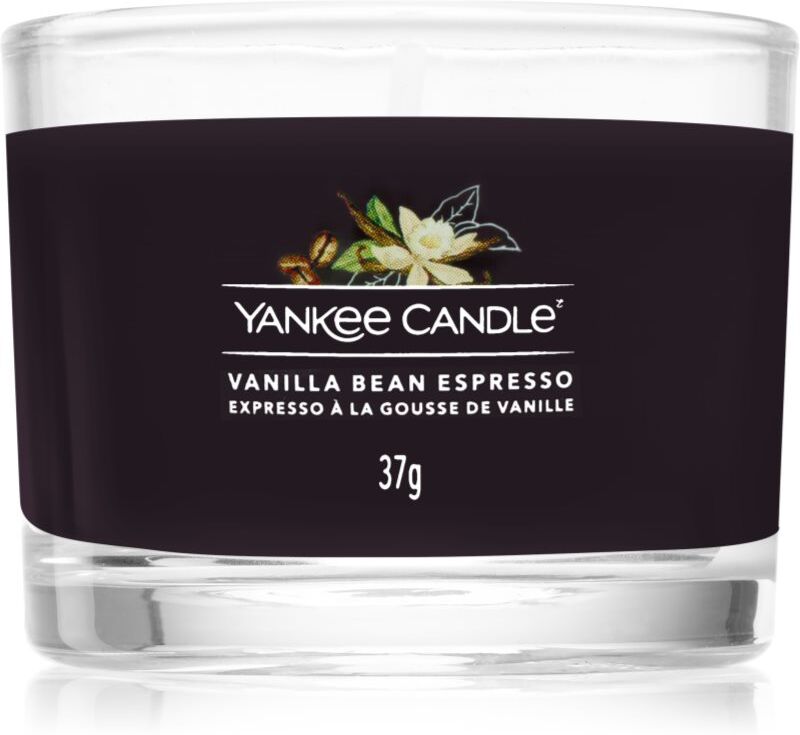
Yankee Candle Vanilla Bean Espresso bougie votive 37 gYankee Candle Vanilla Bean Espresso, 37 g, Bougies votives Parfum d'ambiance, S’il y a bien un endroit où l’on devrait se sentir bien et détendu, c’est chez soi. La bougie votive Yankee Candle Vanilla Bean Espresso emplit l’espace d’un parfum subtil et contribue à créer une atmosphère propice à la concentration, mais aussi à la détente, nécessaire après une journée difficile. Avec sa flamme douce et vacillante, elle apporte également à votre intérieur une touche chaleureuse et cosy qui transforme chaque instant ordinaire en un moment de bien-être.3,80 €*Shipping: 3,45 €Secure redirect to the provider
-
What was Napoleon like?
Napoleon was known for his ambition, intelligence, and charisma. He was a skilled military leader and a shrewd politician, rising to power as the Emperor of France. He was also known for his authoritarian rule and expansionist policies, which led to conflicts with other European powers. Despite his controversial legacy, Napoleon is remembered for his significant impact on European history and his lasting influence on military strategy and governance. **
-
How did Napoleon rule?
Napoleon ruled as a military dictator, consolidating power through a coup d'état in 1799 and eventually declaring himself Emperor in 1804. He centralized authority, reformed the legal and administrative systems, and implemented a code of laws known as the Napoleonic Code. He also expanded the French Empire through military conquests and alliances, imposing French influence and control over much of Europe. Despite his authoritarian rule, Napoleon's reforms and military successes contributed to the spread of revolutionary ideals and the modernization of many European countries. **
-
Is Napoleon Bonaparte megalomaniac?
Napoleon Bonaparte is often described as megalomaniacal due to his ambitious and power-hungry nature. He sought to expand his empire and conquer other nations, demonstrating a desire for control and dominance. His grandiose vision of himself as a ruler and his willingness to engage in military conquests to achieve his goals are often cited as evidence of his megalomania. However, some historians argue that his actions were driven by a desire to bring stability and order to Europe, rather than purely by personal ambition. Ultimately, whether or not Napoleon was megalomaniacal is a matter of interpretation and debate among historians. **
-
Did Napoleon promote German unity?
Napoleon did not actively promote German unity as a deliberate policy goal. However, his military campaigns and administrative reforms inadvertently contributed to the eventual unification of Germany. The dissolution of the Holy Roman Empire by Napoleon in 1806 led to the emergence of a number of independent German states, setting the stage for future unification efforts. Additionally, Napoleon's introduction of the Napoleonic Code and other reforms helped to modernize and centralize the German states, laying the groundwork for the eventual creation of a unified German nation in the 19th century. **
* All prices are inclusive of VAT and, if applicable, plus shipping costs. The offer information is based on the details provided by the respective shop and is updated through automated processes. Real-time updates do not occur, so deviations can occur in individual cases. ** Note: Parts of this content were created by AI.