Buy café.be ?
We are moving the project
café.be .
Are you interested in purchasing the domain
café.be ?
domain@kv-gmbh.de · 0541-91531010
Buy café.be ?
Roman-German emperors
The term "Roman-German emperors" refers to the Holy Roman Emperors, who were rulers of the Holy Roman Empire from the Middle Ages to the early 19th century. These emperors were considered the successors to the rulers of the ancient Roman Empire and were elected by a group of German princes. The Holy Roman Emperors held significant political and religious power in Central Europe, although their authority was often challenged by regional rulers and the papacy. The title of Holy Roman Emperor was officially abolished in 1806 following the dissolution of the Holy Roman Empire. **
Holy Roman Emperors
The Holy Roman Emperors were rulers of the Holy Roman Empire, a complex political entity in central Europe that existed from 800 to 1806. They were elected by a group of powerful princes and bishops known as the Electoral College. The title of Holy Roman Emperor was considered to be the highest temporal authority in Europe, although the actual power of the emperors varied greatly throughout the history of the empire. Some of the most famous Holy Roman Emperors include Charlemagne, Otto the Great, and Charles V. **

Similar search terms for Roman
Top-Angebote
Products related to Roman:
-
Colgate Max White One Coffee, Tea & Wine dentifrice blanchissant 75 mlColgate Max White One Coffee, Tea & Wine, 75 ml, Pour renforcer l'émail dentaire pour femme, Le dentifrice Colgate Max White One Coffee, Tea & Wine renforce l’émail des dents et protège ainsi vos dents contre les caries dentaires et contre une sensibilité accrue. Le produit : blanchit les dents rafraîchit l’haleine n’abîme pas les dents lutte contre la carie dentaire et le tartre dentaire consolide l’émail dentaire Mode d’emploi : Nettoyez vos dents minutieusement pendant au moins 2 minutes. Utilisez au moins 2 fois par jour.3,90 €*Shipping: 3,45 €Secure redirect to the provider
-
homesick Brunch Club bougie parfumée 428 ghomesick Brunch Club, 428 g, Bougies parfumées Parfum d'ambiance, La bougie décorative homesick Brunch Club parfume admirablement votre intérieur, lui offrant ainsi une atmosphère très cosy. Grâce à son design, elle deviendra rapidement un accessoire indispensable de votre intérieur. Le produit : parfum fruité odeur d’agrumes arôme sucré Composition du produit : constitué à 100 % de cire de soja mèche de coton Mode d’emploi : Suivez les instructions du manuel joint. Pour une combustion optimale, il est conseillé de couper régulièrement la mèche à la longueur recommandée.17,20 €*Shipping: 3,45 €Secure redirect to the provider




-
Roman-German Emperors
The term "Roman-German Emperors" refers to the Holy Roman Emperors, who were rulers of the Holy Roman Empire from the Middle Ages until its dissolution in 1806. The title of Holy Roman Emperor was created in the 10th century and was held by various monarchs who claimed to be the successors of the ancient Roman emperors. The Holy Roman Emperors were elected by a group of German princes and were considered the highest secular authority in the Holy Roman Empire, which was a complex political entity that encompassed parts of modern-day Germany, Italy, and other European countries. **
-
Holy Roman Emperor
The title of Holy Roman Emperor was a title given to the ruler of the Holy Roman Empire, a political entity in Central Europe that existed from 962 to 1806. The Holy Roman Emperor was considered the secular ruler of the Christian world, with authority over a vast territory that included parts of modern-day Germany, Italy, and France. The position was elected by a group of powerful princes and bishops known as the Electoral College. The title of Holy Roman Emperor was eventually abolished in 1806 following the defeat of the Empire by Napoleon Bonaparte. **
-
'Roman-German Emperors'
The Roman-German Emperors were a series of Holy Roman Emperors who ruled over the Holy Roman Empire from the Middle Ages to the early modern period. They were considered the successors to the ancient Roman Emperors and sought to establish their authority over the territories of the former Western Roman Empire. The title of Roman-German Emperor was meant to signify their dual role as rulers of both the Roman and Germanic peoples. The most famous Roman-German Emperor was Charlemagne, who was crowned Emperor of the Romans by Pope Leo III in 800 AD. The title continued to be used by subsequent Holy Roman Emperors until the dissolution of the Holy Roman Empire in 1806. **
-
"Roman-German Emperors"
The term "Roman-German Emperors" refers to the Holy Roman Emperors, who were rulers of a political entity in Central Europe that existed from 962 to 1806. The title of Holy Roman Emperor was created in the 10th century by Otto I, King of Germany, and it symbolized the revival of the Roman Empire in the West. The Holy Roman Emperors were considered the successors of the ancient Roman Emperors and were elected by a group of German princes. The empire was a complex political entity that encompassed parts of modern-day Germany, Italy, and other European territories. **


Was the Holy Roman Empire truly a Holy Roman Empire?
The term "Holy Roman Empire" was used to describe the multi-ethnic complex of territories in Central Europe ruled by the Roman Catholic Church and the Germanic Holy Roman Emperor. However, the empire was not truly holy in the sense of being divinely ordained, as its power was often based on political and military strength rather than religious authority. Additionally, the empire was not truly Roman, as it did not have its origins in the ancient Roman Empire but rather in the medieval Kingdom of Germany. Overall, the Holy Roman Empire was a complex political entity that combined elements of religion, politics, and culture, but it did not fully embody the ideals of holiness or Roman heritage. **
Was the Holy Roman Empire really a Holy Roman Empire?
The Holy Roman Empire was not truly holy, Roman, or an empire in the traditional sense. It was a complex political entity that existed in Central Europe from 962 to 1806, comprising a patchwork of territories ruled by various princes and bishops under the nominal authority of the Emperor. The title of "Holy Roman Empire" was meant to evoke the legacy of the ancient Roman Empire and the idea of a Christian empire, but in reality, it was a decentralized and often chaotic collection of states with limited central authority. **
Top-Angebote
Products related to Roman:
-
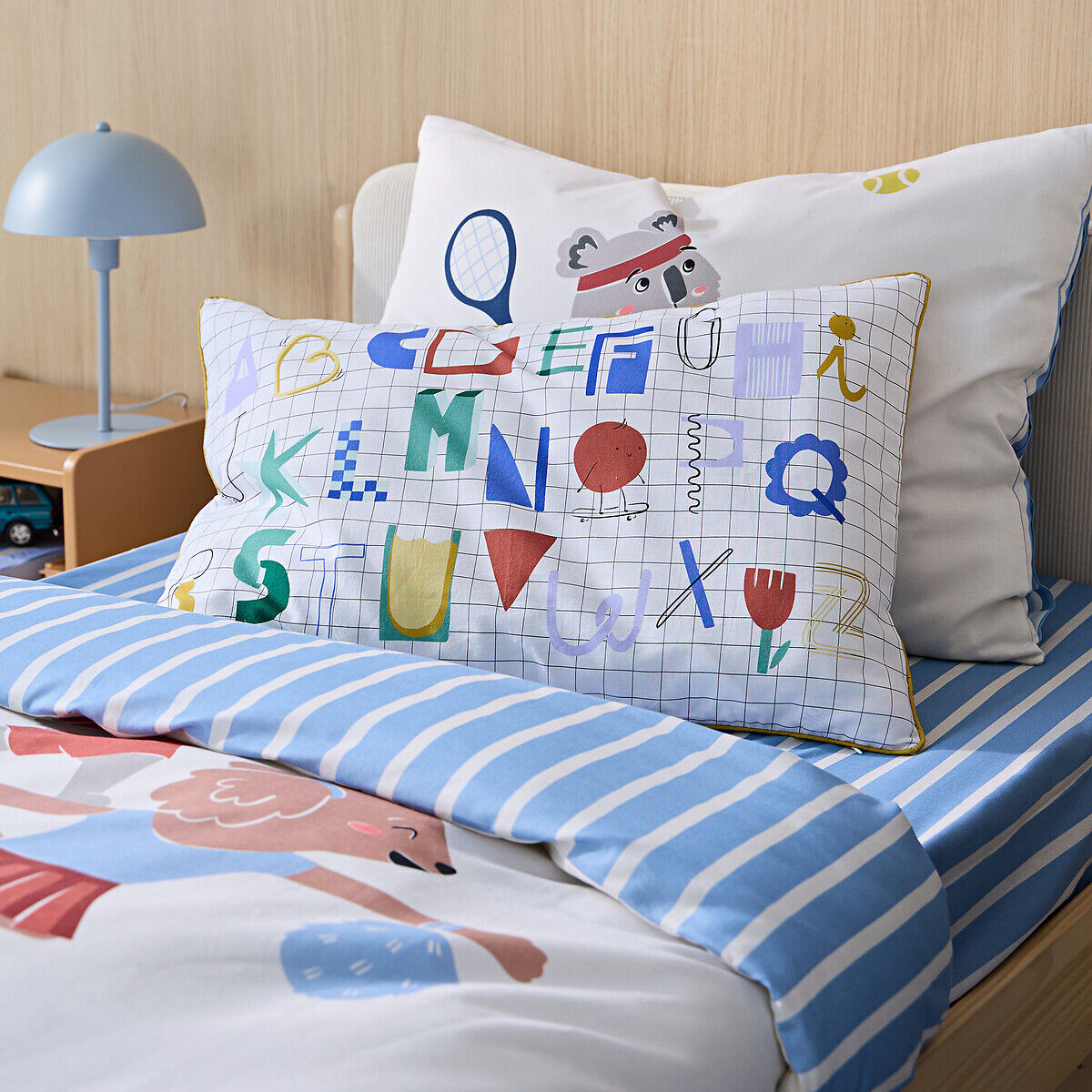
LA REDOUTE INTERIEURS Housse de coussin, 60x40 cm, RomanUn coussin plein de charme pour rêver, apprendre et jouer ! Sur le recto, un abécédaire dessiné comme à la main : chaque lettre a son petit style, comme sortie d’un cahier d’école... Une jolie façon de découvrir les lettres au quotidien.Parfaite pour une chambre d’enfant, sur un lit ou un fauteuil de lecture. On aime : son esprit ludique et poétique, idéal pour créer un univers tendre et inspirant. Description • 100% coton • Recto imprimé abécédaire, façon manuscrit • Verso uni • Fermeture zippée • Coussins de garnissage Terra vendus sur le site Entretien • Lavable à 30° Dimensions • 60 x 40 cm • OEKO-TEX® Standard 100. La labellisation OEKO-TEX® Standard 100 contrôle les substances nocives des produits textiles via un label indépendant et international.8,24 €*Shipping: 3,99 €Secure redirect to the provider
-
Le Chameau Giza Roman Empire Eau de Parfum pour homme 100 mlLe Chameau Giza Roman Empire, 100 ml, Eaux de Parfum pour homme, L'eau de parfum pour homme Le Chameau Giza Roman Empire sera l’indispensable dont vous ne voudrez plus vous passer. Elle vous séduira dès les premières effluves et deviendra partie intégrante de votre quotidien. parfum épicé parfum boisé parfum hespéridé il mettra en valeur les hommes qui n'ont pas peur d'être naturels19,40 €*Shipping: 3,45 €Secure redirect to the provider
-
Colgate Max White One Coffee, Tea & Wine dentifrice blanchissant 75 mlColgate Max White One Coffee, Tea & Wine, 75 ml, Pour renforcer l'émail dentaire pour femme, Le dentifrice Colgate Max White One Coffee, Tea & Wine renforce l’émail des dents et protège ainsi vos dents contre les caries dentaires et contre une sensibilité accrue. Le produit : blanchit les dents rafraîchit l’haleine n’abîme pas les dents lutte contre la carie dentaire et le tartre dentaire consolide l’émail dentaire Mode d’emploi : Nettoyez vos dents minutieusement pendant au moins 2 minutes. Utilisez au moins 2 fois par jour.3,90 €*Shipping: 3,45 €Secure redirect to the provider
-
homesick Brunch Club bougie parfumée 428 ghomesick Brunch Club, 428 g, Bougies parfumées Parfum d'ambiance, La bougie décorative homesick Brunch Club parfume admirablement votre intérieur, lui offrant ainsi une atmosphère très cosy. Grâce à son design, elle deviendra rapidement un accessoire indispensable de votre intérieur. Le produit : parfum fruité odeur d’agrumes arôme sucré Composition du produit : constitué à 100 % de cire de soja mèche de coton Mode d’emploi : Suivez les instructions du manuel joint. Pour une combustion optimale, il est conseillé de couper régulièrement la mèche à la longueur recommandée.17,20 €*Shipping: 3,45 €Secure redirect to the provider
-
Roman-German emperors
The term "Roman-German emperors" refers to the Holy Roman Emperors, who were rulers of the Holy Roman Empire from the Middle Ages to the early 19th century. These emperors were considered the successors to the rulers of the ancient Roman Empire and were elected by a group of German princes. The Holy Roman Emperors held significant political and religious power in Central Europe, although their authority was often challenged by regional rulers and the papacy. The title of Holy Roman Emperor was officially abolished in 1806 following the dissolution of the Holy Roman Empire. **
-
Holy Roman Emperors
The Holy Roman Emperors were rulers of the Holy Roman Empire, a complex political entity in central Europe that existed from 800 to 1806. They were elected by a group of powerful princes and bishops known as the Electoral College. The title of Holy Roman Emperor was considered to be the highest temporal authority in Europe, although the actual power of the emperors varied greatly throughout the history of the empire. Some of the most famous Holy Roman Emperors include Charlemagne, Otto the Great, and Charles V. **
-
Roman-German Emperors
The term "Roman-German Emperors" refers to the Holy Roman Emperors, who were rulers of the Holy Roman Empire from the Middle Ages until its dissolution in 1806. The title of Holy Roman Emperor was created in the 10th century and was held by various monarchs who claimed to be the successors of the ancient Roman emperors. The Holy Roman Emperors were elected by a group of German princes and were considered the highest secular authority in the Holy Roman Empire, which was a complex political entity that encompassed parts of modern-day Germany, Italy, and other European countries. **
-
Holy Roman Emperor
The title of Holy Roman Emperor was a title given to the ruler of the Holy Roman Empire, a political entity in Central Europe that existed from 962 to 1806. The Holy Roman Emperor was considered the secular ruler of the Christian world, with authority over a vast territory that included parts of modern-day Germany, Italy, and France. The position was elected by a group of powerful princes and bishops known as the Electoral College. The title of Holy Roman Emperor was eventually abolished in 1806 following the defeat of the Empire by Napoleon Bonaparte. **
Similar search terms for Roman
-
Areon Ken Coffee désodorisant voiture 30 gAreon Ken Coffee, 30 g, Diffuseurs de parfum avec recharge Parfum d'ambiance, Le désodorisant voiture Areon Ken Coffee transformera chacun de vos trajets en un agréable moment. L’intérieur de votre voiture sera agréablement parfumé et donc plus confortable et harmonieux. Le produit : parfum gourmand Mode d’emploi : Suivez les instructions du manuel joint.3,50 €*Shipping: 3,45 €Secure redirect to the provider
-
'Roman-German Emperors'
The Roman-German Emperors were a series of Holy Roman Emperors who ruled over the Holy Roman Empire from the Middle Ages to the early modern period. They were considered the successors to the ancient Roman Emperors and sought to establish their authority over the territories of the former Western Roman Empire. The title of Roman-German Emperor was meant to signify their dual role as rulers of both the Roman and Germanic peoples. The most famous Roman-German Emperor was Charlemagne, who was crowned Emperor of the Romans by Pope Leo III in 800 AD. The title continued to be used by subsequent Holy Roman Emperors until the dissolution of the Holy Roman Empire in 1806. **
-
"Roman-German Emperors"
The term "Roman-German Emperors" refers to the Holy Roman Emperors, who were rulers of a political entity in Central Europe that existed from 962 to 1806. The title of Holy Roman Emperor was created in the 10th century by Otto I, King of Germany, and it symbolized the revival of the Roman Empire in the West. The Holy Roman Emperors were considered the successors of the ancient Roman Emperors and were elected by a group of German princes. The empire was a complex political entity that encompassed parts of modern-day Germany, Italy, and other European territories. **
-
Was the Holy Roman Empire truly a Holy Roman Empire?
The term "Holy Roman Empire" was used to describe the multi-ethnic complex of territories in Central Europe ruled by the Roman Catholic Church and the Germanic Holy Roman Emperor. However, the empire was not truly holy in the sense of being divinely ordained, as its power was often based on political and military strength rather than religious authority. Additionally, the empire was not truly Roman, as it did not have its origins in the ancient Roman Empire but rather in the medieval Kingdom of Germany. Overall, the Holy Roman Empire was a complex political entity that combined elements of religion, politics, and culture, but it did not fully embody the ideals of holiness or Roman heritage. **
-
Was the Holy Roman Empire really a Holy Roman Empire?
The Holy Roman Empire was not truly holy, Roman, or an empire in the traditional sense. It was a complex political entity that existed in Central Europe from 962 to 1806, comprising a patchwork of territories ruled by various princes and bishops under the nominal authority of the Emperor. The title of "Holy Roman Empire" was meant to evoke the legacy of the ancient Roman Empire and the idea of a Christian empire, but in reality, it was a decentralized and often chaotic collection of states with limited central authority. **
* All prices are inclusive of VAT and, if applicable, plus shipping costs. The offer information is based on the details provided by the respective shop and is updated through automated processes. Real-time updates do not occur, so deviations can occur in individual cases. ** Note: Parts of this content were created by AI.