Buy café.be ?
We are moving the project
café.be .
Are you interested in purchasing the domain
café.be ?
domain@kv-gmbh.de · 0541-91531010
Buy café.be ?
What is NMR spectroscopy?
Nuclear Magnetic Resonance (NMR) spectroscopy is a powerful analytical technique used to study the structure and dynamics of molecules. It provides detailed information about the chemical environment, connectivity, and conformation of atoms within a molecule. By measuring the interactions of atomic nuclei with a magnetic field, NMR spectroscopy can elucidate the molecular structure of organic compounds, proteins, and other biomolecules. This technique is widely used in chemistry, biochemistry, and structural biology for research and drug discovery purposes. **
How is spectroscopy applied?
Spectroscopy is applied in various fields such as chemistry, physics, astronomy, and environmental science. In chemistry, it is used to identify and analyze the chemical composition of substances. In physics, it is used to study the interaction of electromagnetic radiation with matter. In astronomy, it is used to determine the composition, temperature, and motion of celestial objects. In environmental science, it is used to monitor air and water quality by analyzing the presence of pollutants. Overall, spectroscopy is a versatile tool for analyzing the properties of different materials and substances. **


Similar search terms for Spectroscopy
Top-Angebote
Products related to Spectroscopy:
-
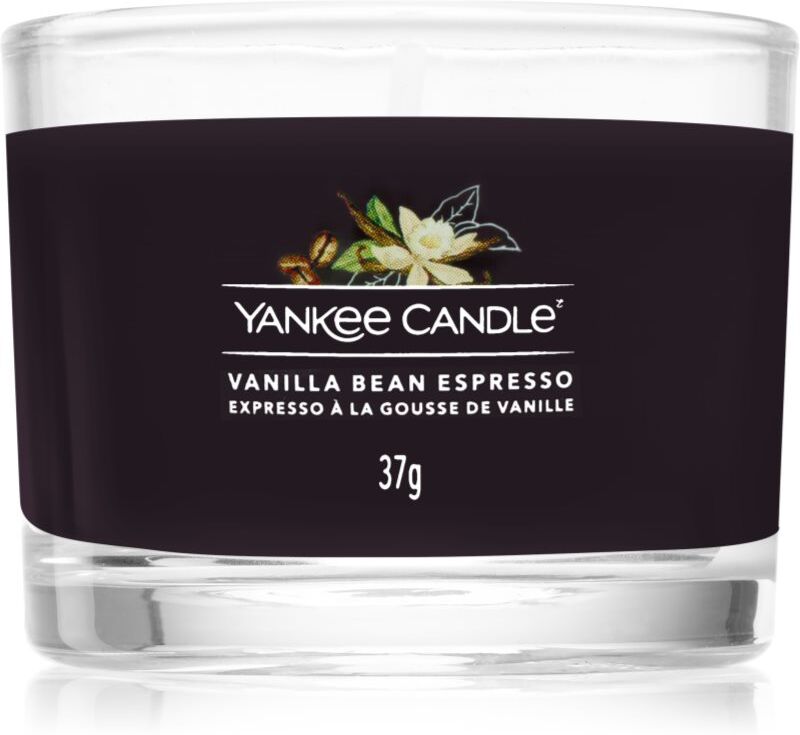
Yankee Candle Vanilla Bean Espresso bougie votive 37 gYankee Candle Vanilla Bean Espresso, 37 g, Bougies votives Parfum d'ambiance, S’il y a bien un endroit où l’on devrait se sentir bien et détendu, c’est chez soi. La bougie votive Yankee Candle Vanilla Bean Espresso emplit l’espace d’un parfum subtil et contribue à créer une atmosphère propice à la concentration, mais aussi à la détente, nécessaire après une journée difficile. Avec sa flamme douce et vacillante, elle apporte également à votre intérieur une touche chaleureuse et cosy qui transforme chaque instant ordinaire en un moment de bien-être.3,80 €*Shipping: 3,45 €Secure redirect to the provider
-
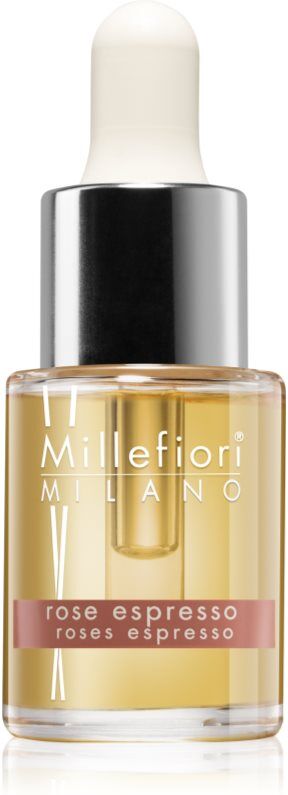
Millefiori Rose Espresso huile de massage aromatique 15 mlMillefiori Rose Espresso, 15 ml, Huiles essentielles Parfum d'ambiance, Vous pouvez dorénavant changer l’odeur de votre maison aussi souvent que vous le souhaitez. L'huile parfumée Millefiori Rose Espresso est spécialement conçue dans ce but. Tout ce dont vous avez besoin, c'est de quelques gouttes de sa douce fragrance aromatique. Elle se diffusera progressivement, parfumera l'ensemble de vos pièces et caressera chacun de vos sens. Le produit : arôme épicé arôme sucré Mode d’emploi : Versez plus ou moins d’huile en fonction de l'intensité de parfum que vous souhaitez obtenir dans la pièce.7,92 €*Shipping: 3,45 €Secure redirect to the provider
-
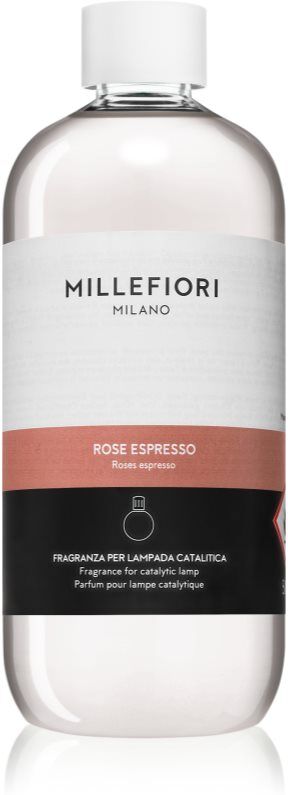
Millefiori Rose Espresso recharge pour lampe catalytique 500 mlMillefiori Rose Espresso, 500 ml, Recharge pour lampe à catalyse Parfum d'ambiance, Pour que votre intérieur respire la propreté et la fraîcheur, vous devez commencer par créer une atmosphère propice. C’est précisément ce que la recharge pour la lampe à catalyse Millefiori Rose Espresso permet de faire : elle le parfume et contribue à le rafraîchir. Il suffit de la verser dans la lampe et de laisser l’espace se remplir de son agréable parfum. Le produit : élimine toutes les mauvaises odeurs de la pièce, y compris les odeurs de cigarettes, de cuisson ou celles dégagées par les animaux domestiques peut être laissée sans surveillance arôme épicé Mode d’emploi : Utilisez selon les instructions jointes.13,05 €*Shipping: 3,45 €Secure redirect to the provider

-
Does anyone know anything about spectroscopy?
Spectroscopy is the study of the interaction between matter and electromagnetic radiation. It is used to analyze the composition, structure, and properties of materials by observing how they interact with different wavelengths of light. Spectroscopy has applications in various scientific fields, including chemistry, physics, astronomy, and environmental science. It is a powerful tool for identifying and characterizing substances, and it can provide valuable information about the behavior of atoms and molecules. **
-
What is spectroscopy and what is a spectrometer?
Spectroscopy is the study of the interaction between matter and electromagnetic radiation. It involves analyzing the way in which different materials absorb, emit, or scatter light, allowing scientists to identify and characterize substances based on their unique spectral signatures. A spectrometer is a device used to measure and analyze the spectrum of light emitted or absorbed by a substance. It works by separating the different wavelengths of light and measuring their intensity, allowing for the identification of specific elements or compounds based on their unique spectral fingerprints. Spectrometers are widely used in various scientific fields, including chemistry, physics, astronomy, and environmental science. **
-
How do I analyze a spectrum in spectroscopy?
To analyze a spectrum in spectroscopy, you first need to obtain the spectrum by passing light through a sample and measuring the absorption or emission of different wavelengths. Once you have the spectrum, you can analyze it by identifying the peaks and their corresponding wavelengths. You can then use this information to determine the chemical composition, concentration, and other properties of the sample. Additionally, you can compare the spectrum to reference spectra to help identify the compounds present in the sample. **
-
What are the types of vibrations in IR spectroscopy?
In IR spectroscopy, there are three main types of vibrations: stretching, bending, and combination. Stretching vibrations occur when the distance between two bonded atoms increases or decreases, while bending vibrations involve a change in the angle between two bonds. Combination vibrations are a combination of stretching and bending motions. These vibrations are characteristic of different functional groups and can be used to identify the presence of specific chemical bonds in a molecule. **


Where are the spectral lines located in ultraviolet-visible spectroscopy?
In ultraviolet-visible spectroscopy, the spectral lines are located in the ultraviolet and visible regions of the electromagnetic spectrum. The ultraviolet region typically ranges from 190 to 400 nm, while the visible region ranges from 400 to 800 nm. These spectral lines correspond to the absorption or emission of light by molecules, which can provide information about their electronic structure and chemical composition. **
What is the significance of spectroscopy in relation to NMR and IR?
Spectroscopy is significant in relation to NMR (nuclear magnetic resonance) and IR (infrared) because it allows scientists to study the interaction of matter with electromagnetic radiation. NMR spectroscopy is used to study the structure and dynamics of molecules by analyzing the behavior of atomic nuclei in a magnetic field. IR spectroscopy, on the other hand, is used to study the chemical composition and structure of molecules by analyzing their interaction with infrared radiation. Both techniques are essential in the fields of chemistry, biochemistry, and materials science for identifying and characterizing compounds. **
Top-Angebote
Products related to Spectroscopy:
-
Colgate Max White One Coffee, Tea & Wine dentifrice blanchissant 75 mlColgate Max White One Coffee, Tea & Wine, 75 ml, Pour renforcer l'émail dentaire pour femme, Le dentifrice Colgate Max White One Coffee, Tea & Wine renforce l’émail des dents et protège ainsi vos dents contre les caries dentaires et contre une sensibilité accrue. Le produit : blanchit les dents rafraîchit l’haleine n’abîme pas les dents lutte contre la carie dentaire et le tartre dentaire consolide l’émail dentaire Mode d’emploi : Nettoyez vos dents minutieusement pendant au moins 2 minutes. Utilisez au moins 2 fois par jour.3,90 €*Shipping: 3,45 €Secure redirect to the provider
-
Yankee Candle Vanilla Bean Espresso bougie votive 37 gYankee Candle Vanilla Bean Espresso, 37 g, Bougies votives Parfum d'ambiance, S’il y a bien un endroit où l’on devrait se sentir bien et détendu, c’est chez soi. La bougie votive Yankee Candle Vanilla Bean Espresso emplit l’espace d’un parfum subtil et contribue à créer une atmosphère propice à la concentration, mais aussi à la détente, nécessaire après une journée difficile. Avec sa flamme douce et vacillante, elle apporte également à votre intérieur une touche chaleureuse et cosy qui transforme chaque instant ordinaire en un moment de bien-être.3,80 €*Shipping: 3,45 €Secure redirect to the provider
-
What is NMR spectroscopy?
Nuclear Magnetic Resonance (NMR) spectroscopy is a powerful analytical technique used to study the structure and dynamics of molecules. It provides detailed information about the chemical environment, connectivity, and conformation of atoms within a molecule. By measuring the interactions of atomic nuclei with a magnetic field, NMR spectroscopy can elucidate the molecular structure of organic compounds, proteins, and other biomolecules. This technique is widely used in chemistry, biochemistry, and structural biology for research and drug discovery purposes. **
-
How is spectroscopy applied?
Spectroscopy is applied in various fields such as chemistry, physics, astronomy, and environmental science. In chemistry, it is used to identify and analyze the chemical composition of substances. In physics, it is used to study the interaction of electromagnetic radiation with matter. In astronomy, it is used to determine the composition, temperature, and motion of celestial objects. In environmental science, it is used to monitor air and water quality by analyzing the presence of pollutants. Overall, spectroscopy is a versatile tool for analyzing the properties of different materials and substances. **
-
Does anyone know anything about spectroscopy?
Spectroscopy is the study of the interaction between matter and electromagnetic radiation. It is used to analyze the composition, structure, and properties of materials by observing how they interact with different wavelengths of light. Spectroscopy has applications in various scientific fields, including chemistry, physics, astronomy, and environmental science. It is a powerful tool for identifying and characterizing substances, and it can provide valuable information about the behavior of atoms and molecules. **
-
What is spectroscopy and what is a spectrometer?
Spectroscopy is the study of the interaction between matter and electromagnetic radiation. It involves analyzing the way in which different materials absorb, emit, or scatter light, allowing scientists to identify and characterize substances based on their unique spectral signatures. A spectrometer is a device used to measure and analyze the spectrum of light emitted or absorbed by a substance. It works by separating the different wavelengths of light and measuring their intensity, allowing for the identification of specific elements or compounds based on their unique spectral fingerprints. Spectrometers are widely used in various scientific fields, including chemistry, physics, astronomy, and environmental science. **
Similar search terms for Spectroscopy
-
Millefiori Rose Espresso huile de massage aromatique 15 mlMillefiori Rose Espresso, 15 ml, Huiles essentielles Parfum d'ambiance, Vous pouvez dorénavant changer l’odeur de votre maison aussi souvent que vous le souhaitez. L'huile parfumée Millefiori Rose Espresso est spécialement conçue dans ce but. Tout ce dont vous avez besoin, c'est de quelques gouttes de sa douce fragrance aromatique. Elle se diffusera progressivement, parfumera l'ensemble de vos pièces et caressera chacun de vos sens. Le produit : arôme épicé arôme sucré Mode d’emploi : Versez plus ou moins d’huile en fonction de l'intensité de parfum que vous souhaitez obtenir dans la pièce.7,92 €*Shipping: 3,45 €Secure redirect to the provider
-
Millefiori Rose Espresso recharge pour lampe catalytique 500 mlMillefiori Rose Espresso, 500 ml, Recharge pour lampe à catalyse Parfum d'ambiance, Pour que votre intérieur respire la propreté et la fraîcheur, vous devez commencer par créer une atmosphère propice. C’est précisément ce que la recharge pour la lampe à catalyse Millefiori Rose Espresso permet de faire : elle le parfume et contribue à le rafraîchir. Il suffit de la verser dans la lampe et de laisser l’espace se remplir de son agréable parfum. Le produit : élimine toutes les mauvaises odeurs de la pièce, y compris les odeurs de cigarettes, de cuisson ou celles dégagées par les animaux domestiques peut être laissée sans surveillance arôme épicé Mode d’emploi : Utilisez selon les instructions jointes.13,05 €*Shipping: 3,45 €Secure redirect to the provider
-
Areon Ken Coffee désodorisant voiture 30 gAreon Ken Coffee, 30 g, Diffuseurs de parfum avec recharge Parfum d'ambiance, Le désodorisant voiture Areon Ken Coffee transformera chacun de vos trajets en un agréable moment. L’intérieur de votre voiture sera agréablement parfumé et donc plus confortable et harmonieux. Le produit : parfum gourmand Mode d’emploi : Suivez les instructions du manuel joint.3,50 €*Shipping: 3,45 €Secure redirect to the provider
-
Sabrina Carpenter Me Espresso coffret cadeau pour femme 1 pcsSabrina Carpenter Me Espresso, 1 pcs, Coffrets pour femme pour femme, Vous cherchez le cadeau parfait pour votre moitié, votre sœur, votre mère ou une amie chère ? Le coffret de parfum pour femme Sabrina Carpenter Me Espresso vous garantit de faire naître un sourire sur le visage de toutes celles qui comptent pour vous. Offrez à vos proches un coffret qui renferme non pas une, mais plusieurs merveilles olfactives. Le produit : Le parfum miniature trouve parfaitement sa place dans un sac à main constitue le cadeau idéal parfum chaleureux, idéal par temps froid L'ensemble contient: Sabrina Carpenter Me Espresso Eau de Parfum 30 ml Sabrina Carpenter Me Espresso Eau de Parfum 10 ml33,50 €*Shipping: 3,45 €Secure redirect to the provider
-
How do I analyze a spectrum in spectroscopy?
To analyze a spectrum in spectroscopy, you first need to obtain the spectrum by passing light through a sample and measuring the absorption or emission of different wavelengths. Once you have the spectrum, you can analyze it by identifying the peaks and their corresponding wavelengths. You can then use this information to determine the chemical composition, concentration, and other properties of the sample. Additionally, you can compare the spectrum to reference spectra to help identify the compounds present in the sample. **
-
What are the types of vibrations in IR spectroscopy?
In IR spectroscopy, there are three main types of vibrations: stretching, bending, and combination. Stretching vibrations occur when the distance between two bonded atoms increases or decreases, while bending vibrations involve a change in the angle between two bonds. Combination vibrations are a combination of stretching and bending motions. These vibrations are characteristic of different functional groups and can be used to identify the presence of specific chemical bonds in a molecule. **
-
Where are the spectral lines located in ultraviolet-visible spectroscopy?
In ultraviolet-visible spectroscopy, the spectral lines are located in the ultraviolet and visible regions of the electromagnetic spectrum. The ultraviolet region typically ranges from 190 to 400 nm, while the visible region ranges from 400 to 800 nm. These spectral lines correspond to the absorption or emission of light by molecules, which can provide information about their electronic structure and chemical composition. **
-
What is the significance of spectroscopy in relation to NMR and IR?
Spectroscopy is significant in relation to NMR (nuclear magnetic resonance) and IR (infrared) because it allows scientists to study the interaction of matter with electromagnetic radiation. NMR spectroscopy is used to study the structure and dynamics of molecules by analyzing the behavior of atomic nuclei in a magnetic field. IR spectroscopy, on the other hand, is used to study the chemical composition and structure of molecules by analyzing their interaction with infrared radiation. Both techniques are essential in the fields of chemistry, biochemistry, and materials science for identifying and characterizing compounds. **
* All prices are inclusive of VAT and, if applicable, plus shipping costs. The offer information is based on the details provided by the respective shop and is updated through automated processes. Real-time updates do not occur, so deviations can occur in individual cases. ** Note: Parts of this content were created by AI.